A Culinary Journey Worth Taking
From the maize-based comfort of nsima to the fresh, delicate flavors of chambo and the rustic heartiness of kondowole, Malawian cuisine offers a window into the nation’s soul. Every bite carries the stories of the land, the lakes, and the people who prepare it. When you visit Malawi, take the time to savor its dishes just as much as its scenery. You’ll leave with not only memories of breathtaking landscapes but also the lingering flavors of one of Africa’s most warm and welcoming culinary traditions.
Must Try Local Dishes in Malawi
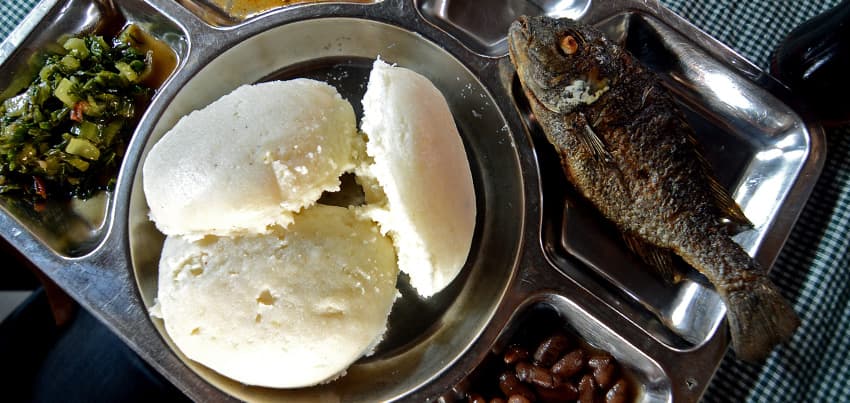
Malawi, fondly called the Warm Heart of Africa, is a destination where culinary traditions are as vibrant as the landscapes. From the tranquil shores of Lake Malawi to the lively markets in Blantyre and Lilongwe, food here is a celebration of community, heritage, and fresh, locally sourced ingredients. Whether you’re enjoying luxury hotels in Malawi, relaxing in Lake Malawi accommodation, or exploring the countryside, the following dishes are essential for anyone wanting a genuine taste of Malawian life.
Nsima
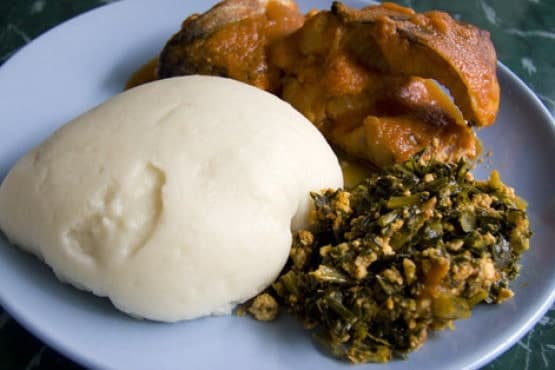
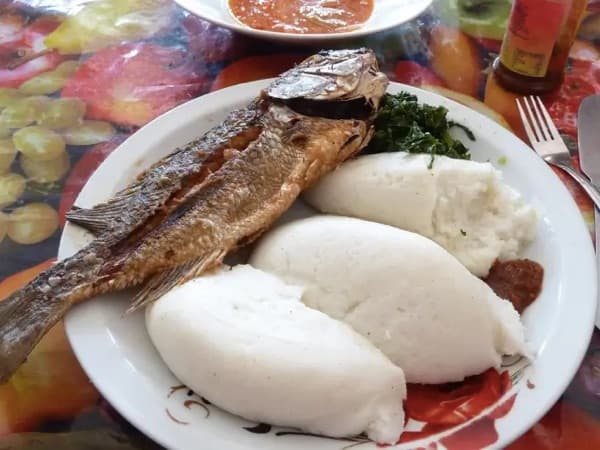
Nsima is more than just a dish it’s the heartbeat of Malawian cuisine. Made from maize flour and water, it is cooked until thick and smooth, forming a soft, dough-like texture. It is typically served in generous portions alongside ndiwo, a relish made from vegetables, beans, fish, or meat. Nsima is eaten with the hands, a practice that connects diners to generations of tradition and emphasizes the communal nature of Malawian meals. What makes nsima special is its versatility. In the north, it might be paired with cassava-based sides; in lakeside areas, it’s often served with freshly caught fish; and in urban kitchens, it may come with richly spiced stews. Wherever you go in Malawi, nsima will be there—simple, nourishing, and deeply comforting.
Chambo
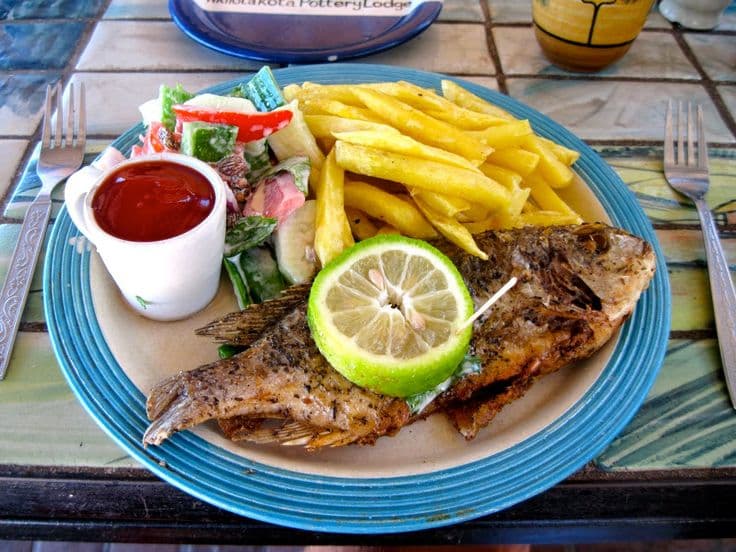
Lake Malawi is famous for its pristine waters and thriving fish population, and among its most prized catches is chambo. This tender white fish has a delicate, slightly sweet flavor and is a true highlight of Malawian cuisine. Chambo can be enjoyed in many ways: grilled over charcoal for a smoky aroma, deep-fried for a golden crunch, or wrapped in banana leaves and steamed to lock in its natural juices. In lakeside towns, chambo is often served fresh from the morning catch, paired with nsima and a vibrant tomato and onion relish. Eating it by the lake, with the scent of fresh water and the hum of village life around you, is one of Malawi’s most memorable experiences.
Kondowole
Kondowole is a specialty from Malawi’s northern regions, made by pounding cassava flour into a thick, sticky consistency. This dish requires strength and patience to prepare, as it is traditionally made in large wooden mortars with long pestles. Its chewy texture and mild, earthy flavor make it an excellent companion for rich fish stews, spicy meat dishes, or vegetable-based relishes. Because cassava is drought-resistant, kondowole has long been an important food source for northern communities. It is not as common in the south, so trying it during your travels offers a unique regional experience and a deeper understanding of Malawi’s diverse culinary landscape.
Nthochi
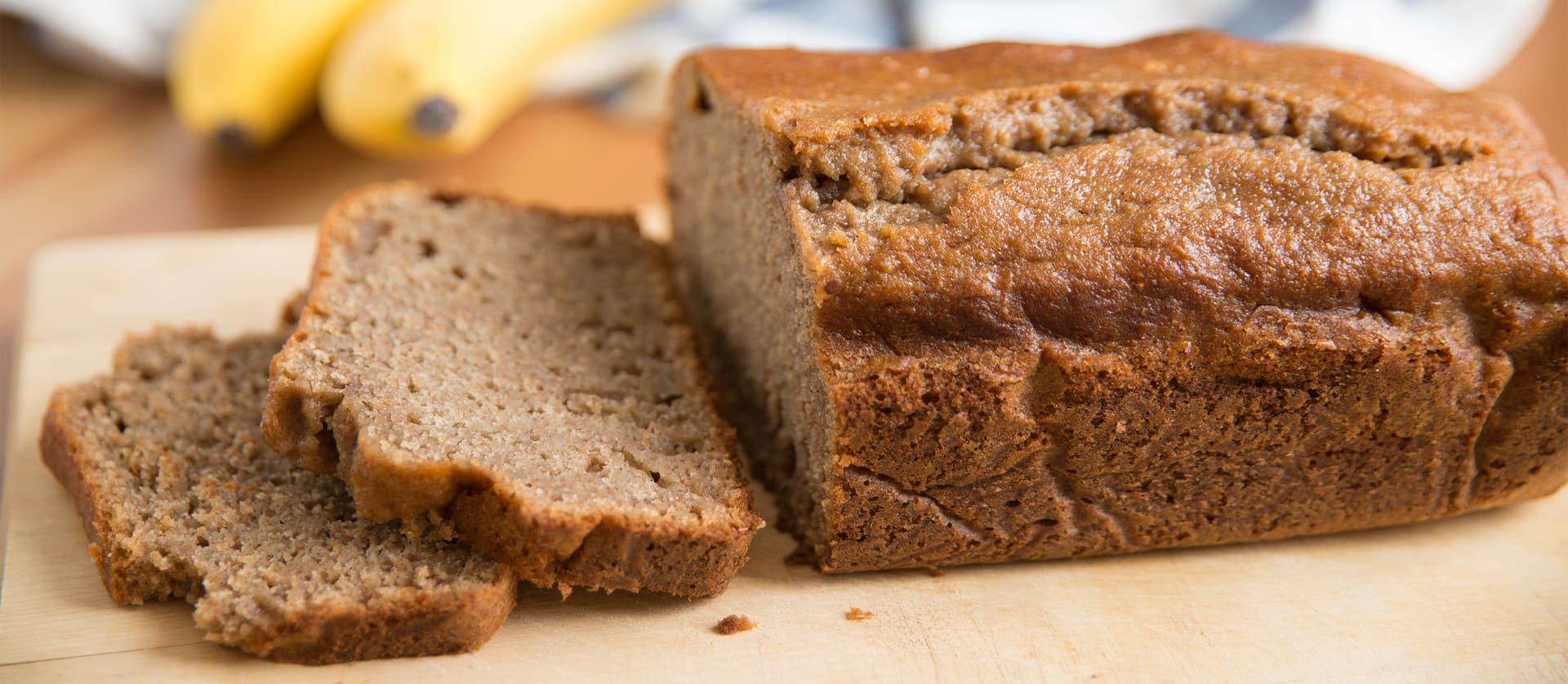
If you have a sweet tooth, nthochi is the perfect Malawian dessert to try. This moist banana bread is made with ripe local bananas, giving it a natural sweetness and dense, tender crumb. Many home bakers add a dash of cinnamon, nutmeg, or even ground peanuts for extra flavor. Nthochi is a versatile treat as it can be served warm with a drizzle of honey for breakfast, sliced up for an afternoon snack, or enjoyed after dinner with a cup of Malawian tea or coffee. In local markets, you may find street vendors selling nthochi in small paper parcels, perfect for a quick bite while exploring.
A Culinary Journey Worth Taking
From the maize-based comfort of nsima to the fresh, delicate flavors of chambo and the rustic heartiness of kondowole, Malawian cuisine offers a window into the nation’s soul. Every bite carries the stories of the land, the lakes, and the people who prepare it. When you visit Malawi, take the time to savor its dishes just as much as its scenery. You’ll leave with not only memories of breathtaking landscapes but also the lingering flavors of one of Africa’s most warm and welcoming culinary traditions.